





















Dementia affects over 55 million people worldwide, with limited effective treatments available. As families increasingly turn to CBD products marketed for cognitive support, clinicians need evidence-based guidance to counsel patients appropriately and avoid potentially harmful interactions or false hope.
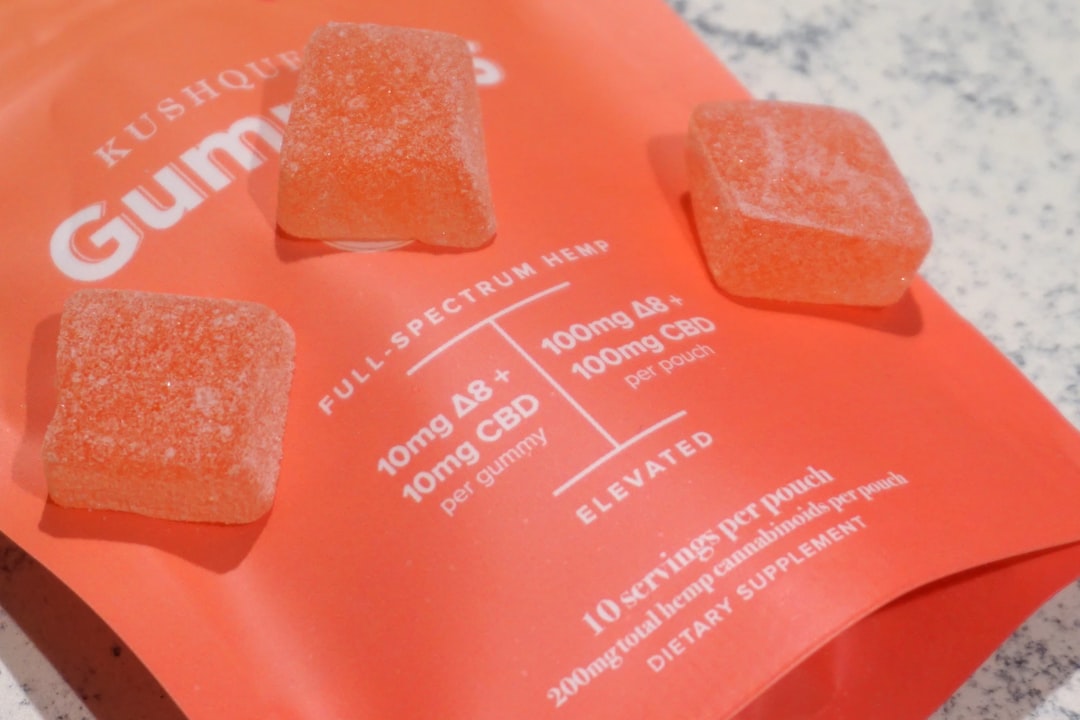
Current evidence for CBD in dementia remains predominantly preclinical, with animal studies suggesting potential neuroprotective effects through anti-inflammatory and antioxidant mechanisms. Human clinical trials specifically evaluating CBD for dementia symptoms are extremely limited, with no robust data supporting efficacy for cognitive decline, behavioral symptoms, or disease progression. Most available CBD gummies lack standardized dosing, third-party testing, or FDA oversight, creating additional safety and quality concerns for vulnerable elderly populations.
“I see families grasping for hope with CBD products when standard dementia treatments feel inadequate. While the theoretical mechanisms are intriguing, we simply don’t have the clinical evidence to recommend CBD specifically for dementia — and the drug interaction risks in elderly patients taking multiple medications are real.”
💬 Join the Conversation
Have a question about how this applies to your situation? Ask Dr. Caplan →
Want to discuss this topic with other patients and caregivers? Join the forum discussion →
Have thoughts on this? Share it:
FAQ
What is the clinical relevance of CBD for dementia patients?
This topic has been assigned a notable clinical interest rating, indicating emerging findings worth monitoring closely. The intersection of CBD use and dementia care represents an evolving area of medical research and practice.
What are the main concerns regarding CBD use in geriatric patients?
Drug interactions are a primary concern when considering CBD for elderly patients with dementia. Geriatric patients often take multiple medications, making careful evaluation of potential interactions essential before starting CBD treatment.
How does CBD potentially interact with other medications commonly used by dementia patients?
CBD can affect the metabolism of various medications through liver enzyme interactions. This is particularly concerning in dementia patients who may be taking multiple prescription drugs for cognitive and behavioral symptoms.
Is there established evidence for CBD effectiveness in treating dementia symptoms?
Current evidence is still emerging, which is why this topic is classified as having “notable clinical interest” rather than established clinical practice. More research is needed to determine optimal dosing, safety, and efficacy in this population.
What should healthcare providers consider before recommending CBD to dementia patients?
Providers should carefully review all current medications for potential interactions and monitor patients closely. Given the vulnerable nature of this patient population, a cautious, evidence-based approach is recommended.