
















| Audience | Patients, caregivers, cannabis clinicians, psychiatry readers, neurology readers, rehabilitation clinicians, and evidence-focused public-health readers |
| Primary Topic | Three verified cannabis science signals spanning psychosis-spectrum imaging, a refractory CBD brain-injury case report, and preclinical CBD neuroprotection biology |
| Source | Read the full study |
CED Cannabis Science Digest: 3 Brain and Behavior Signals Worth Watching
Today’s scan did not produce a strong enough nonduplicate human clinical-trial-level cannabis paper for a dedicated June 30 feature. This digest preserves three narrower brain-and-behavior signals worth watching instead: a psychosis-spectrum imaging study, a single-patient CBD traumatic-brain-injury case report, and a preclinical CBD ferroptosis paper that should stay firmly in the early-signal bucket.
| Post Type | Evidence digest using the canonical CED layout |
| Curated Set | 3 verified items published together after exact duplicate review |
| Items Reviewed | 3 verified, nonduplicate, digest-eligible items |
| Editorial Decision | Digest published because no June 30 candidate for a dedicated full-length feature cleared all evidence, duplication, and domain-fit gates |
| Item 1 | Psychosis-spectrum glutamate imaging and cannabis use |
| Item 2 | CBD case report in refractory PSH after severe TBI |
| Item 3 | Preclinical CBD ferroptosis paper after TBI |
| Primary Dates | June 27, 2026; June 29, 2026; June 27, 2026 |
| Content Lanes | Safety Signal; Mechanism Watch; Mechanism Watch |
| Digest Standard | Signals preserved with limitations, uncertainty, and noncausal framing made explicit |
| Related Reading | 3 verified live CED Clinic internal links |
All three papers sit in the brain-and-behavior corner of cannabis science, where readers are most likely to confuse mechanistic language with clinical proof. They belong together because each preserves a real signal while also demanding restraint.
The common lesson is not that cannabis or CBD has one unified neurologic meaning. The common lesson is that study design controls the size of the claim: human association, single-patient rescue narrative, and preclinical pathway paper are all informative, but they are not interchangeable forms of evidence.
Authors / source / date / lane: Roalf and colleagues, Molecular Psychiatry, June 27, 2026, Safety Signal.
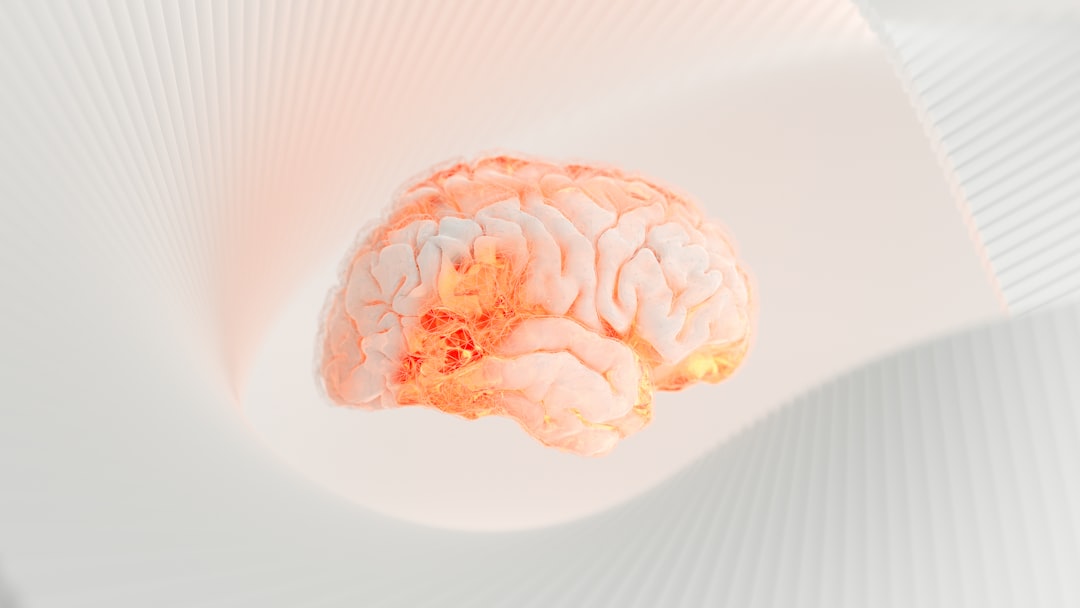
What was investigated: a 7T proton magnetic resonance spectroscopy study in 79 participants spanning typically developing controls, clinical-high-risk individuals, and people with psychosis, paired with symptom ratings, urine toxicology, and detailed cannabis-use measures.
What it appeared to find: lower anterior cingulate glutamate and higher cannabis use were each associated with greater positive and negative psychosis symptoms, and lower glutamate tracked higher positive-symptom burden specifically among cannabis users.
Limitations and uncertainty: this was a cross-sectional association study with a modest sample size. It cannot prove that cannabis use caused glutamate changes, that glutamate changes caused symptoms, or that the observed relationships would hold the same way in broader clinical populations.
Why it is noteworthy: psychosis conversations around cannabis often collapse into simplistic yes-or-no risk statements. This paper is useful because it offers a more biologically specific human signal while still stopping short of causal certainty.
Authors / source / date / lane: Swamiyappan and colleagues, Journal of Medical Case Reports, June 29, 2026, Mechanism Watch.
What was investigated: a single-patient case report in a 44-year-old man with severe traumatic brain injury who developed refractory paroxysmal sympathetic hyperactivity despite multiple conventional therapies before adjunctive cannabidiol oil was introduced.
What it appeared to find: after CBD was added and titrated, episode frequency and severity reportedly fell substantially over one to two weeks, opioid and sedative infusions were withdrawn, and no obvious CBD-related adverse effects were described.
Limitations and uncertainty: this is one patient, not a controlled study. Multiple co-treatments were already in place, spontaneous improvement over time is possible, and a case report cannot establish efficacy, dosing rules, or reproducibility.
Why it is noteworthy: the report is clinically interesting because refractory PSH is difficult to manage and formal CBD data in that setting are sparse. It should be read as a hypothesis-generating observation, not as a treatment endorsement.
Authors / source / date / lane: Xu and colleagues, Cellular & Molecular Biology Letters, June 27, 2026, Mechanism Watch.
What was investigated: an in vitro and mouse traumatic-brain-injury study examining whether CBD reduced neuronal injury and cognitive deficits by affecting ferroptosis and mitochondrial calcium signaling through the TRPV1/MCU/PI3K/Akt pathway.
What it appeared to find: CBD reduced ferroptosis-related changes, improved pathologic and behavioral measures in the animal model, and supported the idea that MCU-linked mitochondrial calcium handling may matter in CBD-related neuroprotection.
Limitations and uncertainty: this is preclinical evidence, not human treatment evidence. Animal and cell findings frequently fail to translate cleanly into clinical benefit, and pathway plausibility is still a long way from a patient-care recommendation.
Why it is noteworthy: preclinical CBD brain-injury papers circulate widely in public discussion. This one is useful because it is mechanistically specific and recent, but it still belongs in the early-signal category rather than the treatment-guidance category.
Neurologic cannabis papers often sound more decisive than they are because they borrow authority from imaging, pathway names, or severe-case narratives. Those features can make early evidence feel stronger than it really is.
The right response is not to ignore these papers. It is to read them in order of evidentiary strength and ask what clinical job each one can actually do: sharpen counseling, suggest a research direction, or help with pattern recognition.
That distinction matters for patients and clinicians alike because the same word, cannabinoid, can refer to very different claims across psychosis counseling, rescue-style case reports, and animal neuroprotection studies.
The psychosis paper is the most clinically useful item here because it improves how we talk about cannabis-related symptom burden without pretending that one study solves causality. That is a meaningful gain for patient counseling.
The two CBD brain-injury items are interesting for a different reason: they show how quickly mechanistic plausibility can outpace clinical proof. That gap is exactly where careful readers need the most discipline.
How to Read Brain and Behavior Cannabis Papers Without Treating Them as Neurologic Proof
Brain-focused cannabis papers often look stronger than they are because they use imaging, mechanistic pathways, or dramatic clinical narratives. Those features are scientifically interesting, but they do not erase design limits.
A useful reading discipline is to ask what kind of evidence each paper actually supplies before deciding what should change in counseling, diagnosis, or treatment expectations.
A Reading Order for Mixed Neurologic Cannabis Signals
Separate Human Association From Human Intervention
A cross-sectional imaging study can help with risk interpretation, but it is not an intervention trial and cannot show that changing exposure will change outcome in a predictable way.
Treat Case Reports as Clinical Pattern Signals
A rescue-style case report can be worth knowing, especially in a difficult syndrome, but it cannot establish efficacy or a reusable dosing strategy.
Keep Preclinical Pathways in the Mechanism Bucket
A cell-and-mouse pathway paper can identify biologic plausibility and research targets. It does not tell a patient or clinician that the same benefit will appear in human care.
Ask What the Paper Changes Today
If the answer is counseling nuance, research interest, or cautious pattern recognition, that is still valuable. It just is not the same as a new treatment rule.
The Same Study Can Mean Different Things Depending on the Question Being Asked
Scientific papers rarely answer a single question. Patients, clinicians, researchers, policymakers, and critics often read the same data differently. The perspectives below explore how this study looks through several evidence-based lenses.
Do Not Turn Brain Papers Into Self-Treatment Advice
These papers do not show that cannabis or CBD is broadly protective for the brain. They show a human psychosis-spectrum association, a single difficult clinical case, and a preclinical neuroprotection signal.
If any of those topics touches your situation, the next step is a more specific conversation about symptoms, diagnosis, and existing treatment options rather than a product experiment based on a digest.
Counseling Precision Is the Main Output
The psychosis paper can sharpen how clinicians talk about cannabis exposure and symptom burden. The PSH case report can be filed as a rare but interesting rescue narrative. The preclinical TBI paper belongs in the mechanism folder, not the bedside recommendation folder.
That ordering protects both curiosity and rigor.
Psychosis Risk Language Can Be More Specific
The human imaging paper does not settle causality, but it does support more biologically grounded conversations about why cannabis and psychosis-spectrum symptoms may travel together in some patients.
That is more useful than vague warnings, especially when patients are asking whether risk is purely moralized, purely anecdotal, or supported by human data.
TBI Curiosity Should Stay Evidence-Aware
The PSH case report and the ferroptosis paper are both intriguing because severe brain injury remains an area of limited therapeutic options. But one is anecdote and the other is preclinical biology.
Together they justify research attention, not clinical adoption.
Each Item Has an Obvious Ceiling
The psychosis paper cannot prove directionality, the PSH case report cannot establish efficacy, and the TBI ferroptosis paper cannot predict human outcomes. A good skeptic should see all three ceilings immediately.
That skepticism should reduce overstatement without erasing the fact that each paper still contains a real signal.
Recovery Context Still Matters
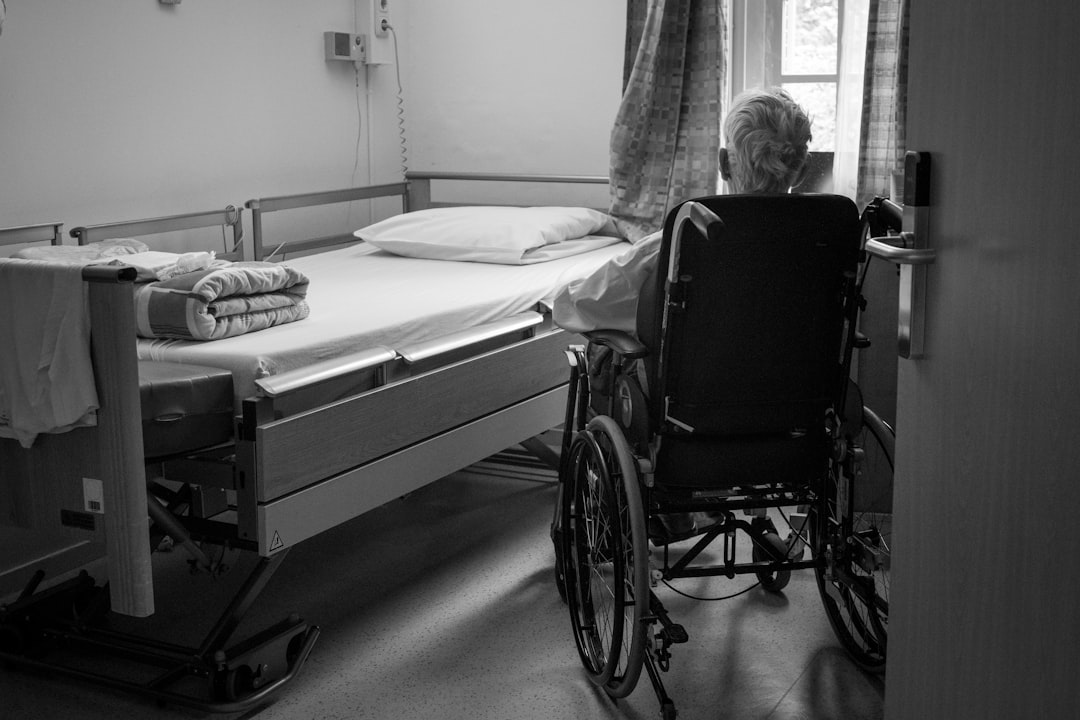
The case report is notable because it sits inside a prolonged, complicated critical-care and rehabilitation arc rather than a simple outpatient symptom story. That makes it clinically serious but also hard to generalize.
Recovery settings often produce exactly this tension between high need and weak evidence.
Neurologic Claims Need Better Public Translation
Cannabis brain-health coverage often strips away study type and leaves readers with a binary message: harmful or helpful. This digest shows why that translation fails.
Better public communication would label association, anecdote, and preclinical mechanism much more explicitly.
What Better Neurologic Cannabis Research Would Add
For psychosis, longitudinal exposure-linked studies with stronger functional outcomes would help. For refractory PSH and TBI, controlled human trials or structured prospective cohorts are the real missing layer.
Until then, papers like these are valuable mainly because they show where the evidence map is still thin.
Join the Conversation
Have a question about how this applies to your situation? Ask Dr. Caplan
Want to discuss this topic with other patients and caregivers? Join the forum discussion


Frequently Asked Questions
Why is this a digest instead of a full-length article today?
Because no June 30 candidate cleared every gate for a dedicated full evidence feature. The strongest full-report candidates were duplicates, already digested, or too weak in cannabis specificity, so the defensible publication path was a carefully labeled digest.
Does the psychosis-spectrum paper prove cannabis causes psychosis symptoms through glutamate changes?
No. It is a cross-sectional association study, so it can show linked patterns but not directional causation or a confirmed biologic pathway.
Does the traumatic brain injury case report prove CBD works for refractory PSH?
No. A single case report can show a clinically interesting sequence, but it cannot establish efficacy, reproducibility, or a standard dosing approach.
Does the preclinical TBI paper support using CBD after brain injury in people?
No. It is an animal-and-cell mechanistic study. Preclinical neuroprotection findings often fail to translate directly into human clinical benefit.
Why include lower-certainty items in a patient-facing digest at all?
Because lower-certainty papers can still improve counseling and evidence literacy when their limitations remain front and center. The goal is to preserve signals without inflating them.
What is the main practical lesson from the psychosis paper?
The main lesson is that psychosis-related cannabis risk conversations can be more biologically specific and less simplistic, even though the paper still does not prove a causal pathway.
What is the main practical lesson from the PSH case report?
The case report is useful as a hypothesis-generating neurologic observation in a difficult syndrome, not as a general treatment recommendation.
What is the main practical lesson from the ferroptosis paper?
It shows mechanistic plausibility for CBD-related neuroprotection after traumatic brain injury in preclinical models, which is interesting but still far from bedside proof.
Should patients change treatment based on this digest alone?
No. This digest is educational context, not individualized medical advice or a substitute for established neurologic or psychiatric care.
What would raise confidence in this area of cannabis science?
Better longitudinal human psychosis studies, structured prospective data in difficult neurologic syndromes, and controlled human trials in brain-injury settings would raise the evidentiary ceiling substantially.