


























Cannabinoid Oral Mucosal Delivery: Approaches to Formulation, Fabrication, and … – PubMed

 Cannabinoid Oral Mucosal Delivery: Approaches to Formulation, Fabrication, and … – PubMed” style=”width:100%;max-height:420px;object-fit:cover;border-radius:8px;display:block;” />
#95 Landmark Clinical Evidence
Peer-reviewed human research with direct implications for cannabis medicine practice.
I don’t see a summary provided in your request. Could you please share the article summary so I can write the 2-3 clinically relevant sentences explaining why it matters for clinicians and patients?
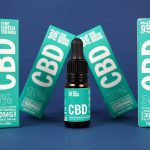
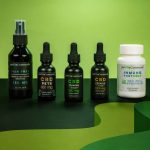
This review examines emerging formulation and delivery technologies for oral mucosal cannabinoid administration, including sublingual sprays, lozenges, and mucoadhesive films designed to improve bioavailability and onset of action compared to traditional oral routes. Oral mucosal delivery bypasses hepatic first-pass metabolism, potentially reducing the variability in cannabinoid plasma levels that currently limits clinical predictability and dosing standardization in cannabis-based medicines. The article discusses various fabrication approaches, permeation enhancers, and particle engineering strategies that aim to optimize drug absorption through oral tissues while maintaining stability and patient acceptability. These formulation advances are particularly relevant for conditions requiring rapid symptom relief, such as acute pain or seizure breakthrough, where delayed onset from conventional edibles is clinically problematic. Understanding these delivery technologies can help clinicians counsel patients on why formulation choice affects drug efficacy and why standardized oral mucosal products may offer more consistent therapeutic outcomes than uncontrolled combustion or variable edible preparation. Clinicians should recognize that as standardized oral mucosal cannabinoid formulations become available, they may provide more reliable dosing and faster therapeutic effect compared to conventional routes, improving the feasibility of cannabinoid therapy in clinical practice.
“We’ve spent two decades giving patients sublingual oils and tinctures with wildly inconsistent absorption rates, and now we finally have the formulation science to fix that, which means we can actually titrate doses predictably instead of telling patients to experiment until something works.”
? Oral mucosal delivery systems for cannabinoids represent a promising pharmaceutical frontier that could improve bioavailability and onset time compared to traditional edibles, which are hampered by hepatic first-pass metabolism and highly variable absorption. However, clinicians should recognize that formulation advances do not automatically translate to superior clinical outcomes, as factors such as individual variability in oral microbiota, saliva composition, and mucosal permeability remain incompletely characterized and could significantly influence real-world efficacy and safety. The heterogeneity of cannabinoid products currently in use also complicates interpretation of research findings, making it difficult to apply results from one delivery system to another. Until robust comparative effectiveness trials establish clear advantages of emerging mucosal formulations over existing delivery methods, and until standardized dosing and quality control measures are implemented, clinicians should counsel patients that these newer products remain experimental from an evidence perspective. A practical next step
This topic comes up in consultations often.
Dr. Caplan offers clinical context on evolving cannabis policy and its real-world implications for patients.
Book a consultation →💬 Join the Conversation
Have a question about how this applies to your situation? Ask Dr. Caplan →
Want to discuss this topic with other patients and caregivers? Join the forum discussion →
Have thoughts on this? Share it: