





![Cbd Vs Hemp Gummies: Which Is Right For Your Wellness Routine? [Tz8JKLqMk37]](https://cedclinic.com/wp-content/uploads/2026/07/ced-pexels-5021600-150x150.jpg "Cbd Vs Hemp Gummies: Which Is Right For Your Wellness Routine? [Tz8JKLqMk37] 19")







Kuwait Customs foils 86kg Drug Smuggling Attempt in Air Shipment from Britain – Gulf News

#75
Strong Clinical Relevance
High-quality evidence with meaningful patient or clinical significance.
This seizure highlights the persistent international drug supply chains that clinicians may encounter when patients present with substance use disorders or acute intoxication from drugs of uncertain origin and purity. Understanding regional trafficking patterns helps clinicians recognize that patients in their area may have access to particularly potent or contaminated cannabis and cocaine products, which affects risk stratification and counseling about addiction severity. Clinicians should consider asking patients about drug source and suspected composition, as illicit cannabis products often contain unpredictable THC concentrations and adulterants that complicate treatment planning for cannabis use disorder.
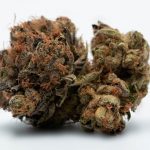
Kuwait customs authorities intercepted an 86-kilogram drug shipment originating from Britain that contained approximately 63 kg of cannabis, 9 kg of cocaine, and 14 kg of marijuana. This seizure represents one of several enforcement actions highlighting the ongoing international trafficking of cannabis and other controlled substances through air freight routes. While this particular case involves illegal smuggling rather than regulated medical cannabis, it underscores the security and supply chain vulnerabilities that affect the legitimate cannabis supply chain and regulatory oversight in regions where cannabis has been legalized or decriminalized for medical use. The incident demonstrates that clinicians and patients in jurisdictions with legal cannabis programs must remain aware of the illicit market’s continued prevalence and the potential for counterfeit or contaminated products to enter circulation. For clinicians prescribing cannabis or counseling patients, understanding the distinction between regulated pharmaceutical-grade products and illicit market alternatives is essential for ensuring patient safety and efficacy. Clinicians should emphasize to patients the importance of obtaining cannabis only through licensed, regulated dispensaries to guarantee product testing, quality assurance, and known cannabinoid content.
“What we’re seeing with these large-scale interdiction efforts is that global cannabis prohibition continues to create black markets with no quality control, no potency standardization, and no way for patients or regulators to know what’s actually in the product, which is precisely why I advocate for evidence-based legalization and medical regulation rather than enforcement-only approaches that ultimately harm public health.”
💊 While individual drug seizures represent important law enforcement successes, they provide limited insight into the epidemiology of cannabis use or the clinical burden of cannabis-related disorders in a given population. This seizure in Kuwait reflects regional drug trafficking patterns but does not directly inform clinicians about local prevalence of cannabis use disorder, cannabinoid hyperemesis syndrome, cannabis-induced psychosis, or other clinically relevant presentations they may encounter in practice. Healthcare providers should recognize that drug enforcement data and clinical epidemiology are separate domains; a region with high seizure activity may not necessarily correlate with higher clinical demand for cannabis cessation support or cannabis use disorder treatment. Given the evolving legal landscape around cannabinoids globally, clinicians in any jurisdiction should remain informed about their local prevalence patterns, regulatory status, and associated harms to provide evidence-based counseling and screening. The practical takeaway is that clinicians should use validated screening tools and maintain awareness of cannabis
💬 Join the Conversation
Have a question about how this applies to your situation?
Ask Dr. Caplan →
Want to discuss this topic with other patients and caregivers?
Join the forum discussion →
Have thoughts on this? Share it: