























Clinical Takeaway
A small clinical trial found that topical cannabis balms were safe and feasible for women with breast cancer experiencing joint and bone pain from aromatase inhibitor medications. The study demonstrates that cannabinoid products can be tolerated by this patient population, though larger trials are needed to establish whether they actually reduce pain compared to placebo. This research addresses a significant clinical problem, as two-thirds of women on these cancer medications develop musculoskeletal symptoms that often lead them to stop treatment.
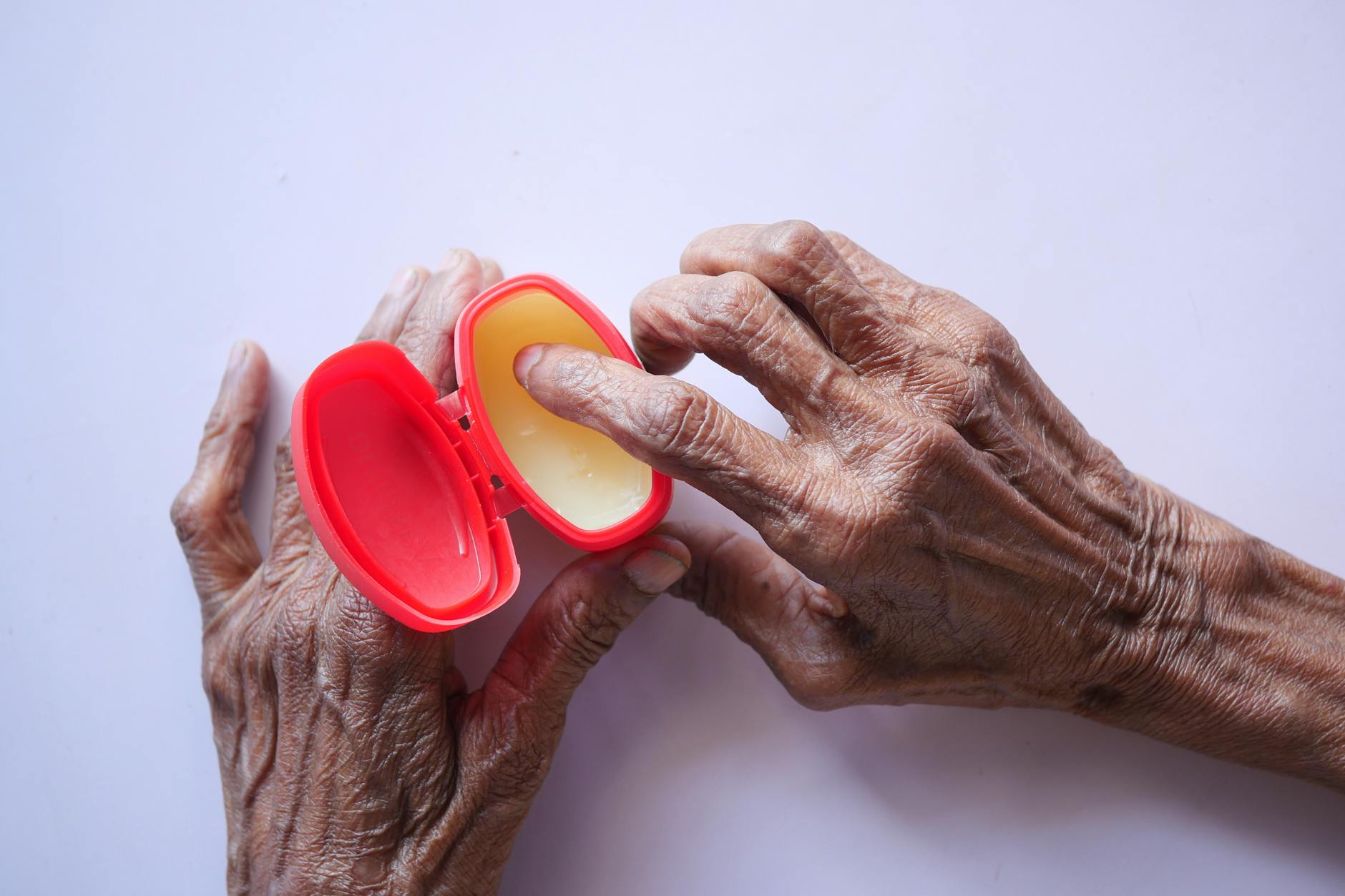
#20 A Randomized, Open-Label Trial to Assess Feasibility and Tolerability of Topical Cannabis Balms for the Treatment of Aromatase Inhibitor-Associated Musculoskeletal Syndrome (AIMSS).
Citation: Zylla Dylan et al.. A Randomized, Open-Label Trial to Assess Feasibility and Tolerability of Topical Cannabis Balms for the Treatment of Aromatase Inhibitor-Associated Musculoskeletal Syndrome (AIMSS).. Cannabis and cannabinoid research. 2026. PMID: 41467893.
Design: 5 Journal: 1 N: 0 Recency: 3 Pop: 2 Human: 1 Risk: -2
- Preclinical only
Methodological Considerations:
- Open-label design — placebo effect not excluded
Abstract: INTRODUCTION: Aromatase inhibitors (AIs) are commonly used for postmenopausal women with hormone receptor-positive breast cancer. Nearly two-thirds of women on AIs have arthralgias, joint stiffness, and/or bone pains referred to as aromatase inhibitor-induced musculoskeletal syndrome (AIMSS), leading to poor adherence. Preclinical and clinical data suggest topical cannabinoids can reduce inflammation in arthritis. MATERIALS AND METHODS: We conducted a randomized trial assessing feasibility, tolerability, and preliminary efficacy of topical cannabis for women with stage 1-3 breast cancer experiencing AIMSS. Women were randomized 1:1 to cannabidiol (CBD) vs. delta-9-tetrahydrocannabinol (THC) balms. The balm was applied three times daily to hands for 2 weeks, followed by a 2-week extension with the balm of their choice. Modified Score for the Assessment and Quantification of Chronic Rheumatoid Affectations of the Hands (M-SACRAH), brief pain inventory, and skin toxicity measures were captured weekly. RESULTS: A total of 21 women completed the study over 14 months. The mean age was 54, 86% White, 43% received adjuvant chemotherapy, and 48% reported no lifetime cannabis use. Compliance was high, with 71% continuing an additional 2 weeks and 86% of weekly surveys completed. We found 86% of participants reported improvement in M-SACRAH from baseline to week 2 with a higher percentage of the THC balm group reporting a >50% improvement (50% vs. 18%). Minor skin irritation was reported by 24%, and one patient discontinued balm due to “greasy” texture. CONCLUSIONS: Conducting a randomized trial of topical cannabis using state-approved dispensaries is feasible. Both THC and CBD balms are well tolerated. Placebo-controlled trials are needed to determine if balms can reduce AIMSS severity in breast cancer survivors.
|


Have thoughts on this? Share it:


