


















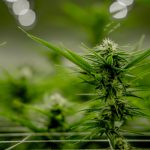







Understanding circadian regulation of immune function could fundamentally change how we time cannabis interventions, particularly for patients using cannabinoids to manage inflammatory conditions or sleep disorders. This research may explain why some patients report variable therapeutic responses to cannabis throughout the day.
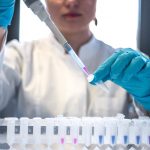
Research demonstrates that the immune system follows distinct circadian rhythms, with immune cell activity, cytokine production, and inflammatory responses varying predictably throughout 24-hour cycles. These findings suggest that immune surveillance and response capacity fluctuate based on internal biological clocks rather than remaining constant. The timing of immune peak activity appears synchronized with periods when pathogen exposure is most likely, optimizing defensive responses while minimizing unnecessary inflammation during rest periods.
“This explains something I’ve observed clinically but couldn’t quantify — why patients with inflammatory conditions often report their cannabis works differently at different times of day. We may need to start thinking about chronotherapy with cannabinoids, not just dosing.”
💬 Join the Conversation
Have a question about how this applies to your situation? Ask Dr. Caplan →
Want to discuss this topic with other patients and caregivers? Join the forum discussion →
Have thoughts on this? Share it:
Table of Contents
FAQ
What is circadian medicine in relation to cannabis treatment?
Circadian medicine studies how our body’s natural 24-hour biological clock affects drug metabolism and effectiveness. This emerging field suggests that the timing of cannabis dosing may significantly impact its therapeutic benefits and side effects.
How does dosing timing affect cannabis effectiveness?
The timing of cannabis administration can influence how the body processes cannabinoids and responds to treatment. Research indicates that aligning dosing schedules with natural circadian rhythms may optimize therapeutic outcomes and minimize adverse effects.
What role does inflammation play in cannabis treatment timing?
Inflammatory processes in the body naturally fluctuate throughout the day following circadian patterns. Cannabis’s anti-inflammatory properties may be more effective when timed to coincide with peak inflammatory periods, potentially enhancing treatment outcomes.
How does cannabis affect immune function throughout the day?
Cannabis interacts with the endocannabinoid system, which plays a role in immune regulation that varies with circadian cycles. Understanding these patterns helps clinicians optimize dosing schedules to support rather than disrupt natural immune function rhythms.
Why is this research considered clinically relevant?
This research represents an emerging area of cannabis medicine that could significantly improve patient outcomes through personalized timing strategies. The findings have notable clinical interest as they may lead to more precise dosing protocols and better therapeutic results for cannabis patients.