

























#67 Notable Clinical Interest
Emerging findings or policy developments worth monitoring closely.
Clinicians should understand that extraction temperature significantly affects concentrate purity and safety, as colder processing reduces residual solvents that could pose respiratory risks to patients using these products. Since patients increasingly consume cannabis concentrates for therapeutic purposes, knowledge of manufacturing standards helps clinicians counsel patients on product quality and potential contaminant exposure. Preserving terpene profiles during extraction is particularly relevant because terpenes may contribute to the entourage effect and clinical efficacy that patients seek.
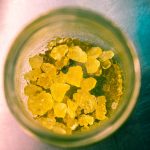
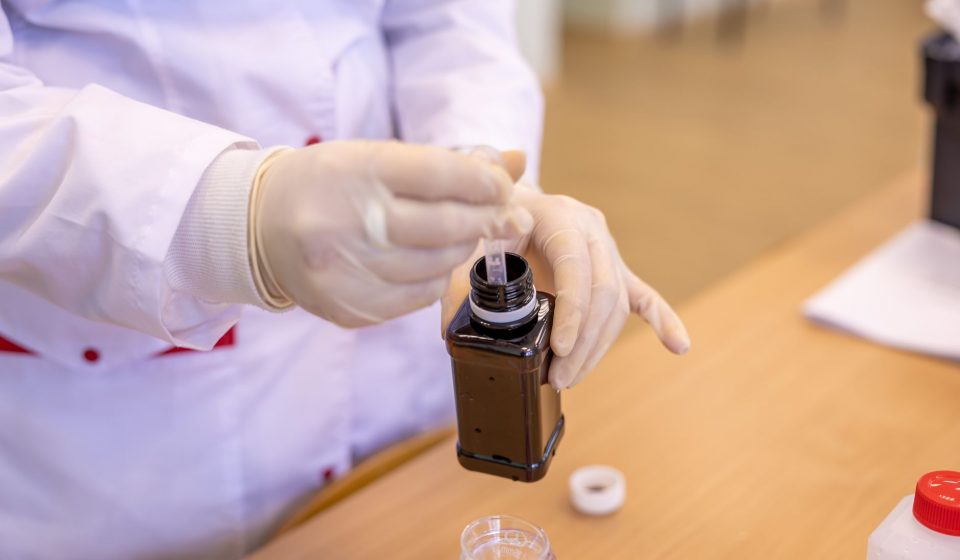
This study demonstrates that butane hash oil (BHO) extraction performed at lower temperatures yields cannabis concentrates with significantly reduced residual solvent contamination while maintaining cannabinoid potency and terpene profiles. The researchers validated their findings by vaporizing the concentrates and analyzing the resulting compounds, confirming that cold extraction methods do not compromise the therapeutic or organoleptic properties of the final product. These results have direct implications for concentrate safety and quality control, as residual solvents in cannabis products can pose health risks to patients, particularly those with respiratory conditions or immunocompromise. For clinicians recommending cannabis concentrates to patients, this research supports counseling patients to seek products manufactured using cold extraction methods when available, as they represent a safer option with equivalent therapeutic cannabinoid and terpene delivery. Patients should be advised to inquire about extraction temperatures when selecting concentrate products, and manufacturers should consider adopting lower temperature protocols to improve consumer safety without sacrificing product efficacy.
“This is interesting chemistry work, but we’re looking at extraction efficiency in a lab setting—not clinical outcomes in patients. Before I’d counsel anyone on concentrate purity or safety based on extraction temperature, we’d need actual toxicology and pharmacokinetic data in human subjects to understand whether these laboratory differences translate to meaningful clinical benefit or risk.”
⚗️ While this study demonstrating that colder butane hash oil extraction techniques yield concentrates with reduced residual solvents and preserved cannabinoid profiles is technically interesting, clinicians should recognize that laboratory purity does not automatically translate to improved clinical safety or efficacy for patients. The study’s focus on solvent residues addresses one legitimate concern about cannabis product safety, but extraction temperature represents only one variable among many that influence final product composition, and patients may encounter concentrates from varied production methods with inconsistent quality standards. Additionally, the clinical relevance remains limited by the absence of data on how residual solvent levels at different thresholds actually correlate with patient outcomes or adverse effects in real-world use. For practitioners counseling patients who use cannabis concentrates, this research underscores the general principle that products from reputable sources with third-party testing for both potency and contaminants are preferable, though patients should be aware that even
💬 Join the Conversation
Have a question about how this applies to your situation? Ask Dr. Caplan →
Want to discuss this topic with other patients and caregivers? Join the forum discussion →
Have thoughts on this? Share it:


Read next
