
























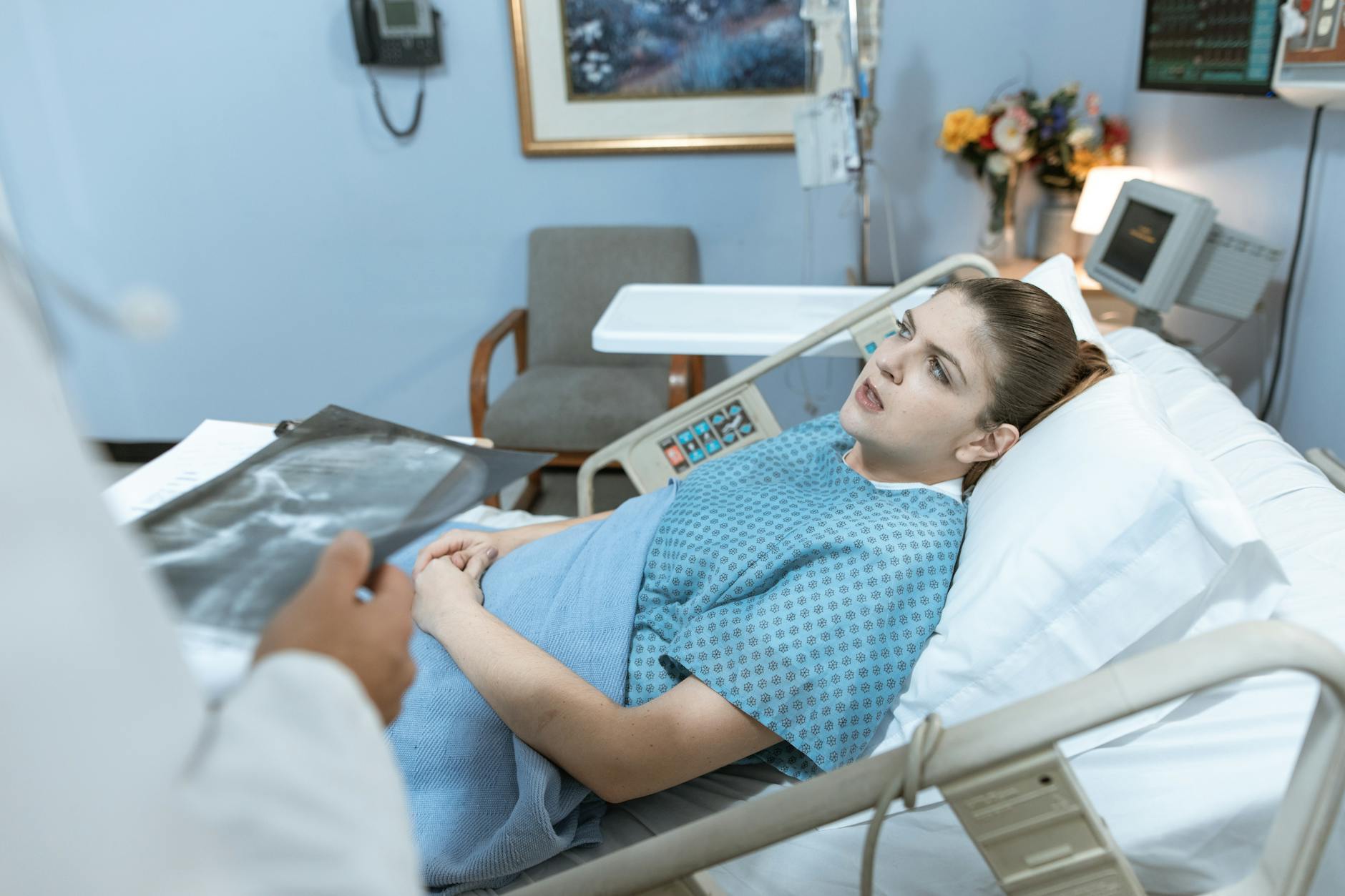
Washington Senators Approve Bill To Let Terminally Ill Patients Use Medical Cannabis In Hospitals

 Medical Cannabis In Hospitals” style=”width:100%;max-height:420px;object-fit:cover;border-radius:8px;display:block;” />
#68 Notable Clinical Interest
Emerging findings or policy developments worth monitoring closely.
I need the article summary to provide accurate clinical context for your request. Could you please share the summary section so I can write the 2-3 sentences explaining the clinical relevance?
Washington state senators have approved legislation that would permit terminally ill patients to use medical cannabis within hospital settings, marking a significant shift in institutional cannabis policy. This bill addresses the gap between state-level medical cannabis legalization and hospital policies that have traditionally prohibited cannabis use on premises, even for patients with valid medical authorizations. The policy change is particularly relevant for end-of-life care, where cannabis may provide symptom relief for pain, nausea, and anxiety in patients for whom conventional palliative options have proven inadequate or poorly tolerated. Clinicians in Washington hospitals will need to develop protocols for safe cannabis administration, documentation, and interaction monitoring with other medications, while ensuring compliance with federal restrictions that may still apply to their institutions. This regulatory shift reflects growing medical recognition of cannabis’s potential role in terminal care and could influence similar legislative efforts in other states. Physicians caring for terminally ill patients should stay informed about their state and institutional policies on medical cannabis access, as these regulations increasingly affect available treatment options and patient autonomy at end of life.
“What we’re seeing with this legislation is a recognition that our obligation to relieve suffering shouldn’t stop at a hospital’s threshold, and frankly, for many terminally ill patients, cannabis provides symptom relief that conventional pharmaceuticals alone cannot match. I’ve spent two decades watching patients denied access to a medicine that could improve their final weeks or months, and this is an important step toward letting clinicians practice evidence-based medicine rather than ideology-based medicine.”
⚕️ Washington’s legislative approval for in-hospital medical cannabis use by terminally ill patients reflects growing recognition that cannabinoids may offer symptom relief in end-of-life care, particularly for pain, nausea, and anxiety where conventional therapies have proven insufficient. However, clinicians should approach this development with appropriate caution, as the evidence base for cannabis in acute hospital settings remains limited compared to outpatient or home-based use, and hospital administration of cannabis presents practical challenges including standardization of dosing, drug interaction monitoring, and integration with existing symptom management protocols. The palliative care literature does support cannabinoid efficacy for certain end-of-life symptoms, yet individual patient variability in response, potential drug interactions with opioids and other medications, and the need for careful assessment of cannabis-induced cognitive or cardiovascular effects in medically fragile patients warrant thoughtful clinical judgment. Healthcare providers caring for terminally ill patients
This topic comes up in consultations often.
Dr. Caplan offers clinical context on evolving cannabis policy and its real-world implications for patients.
Book a consultation →💬 Join the Conversation
Have a question about how this applies to your situation? Ask Dr. Caplan →
Want to discuss this topic with other patients and caregivers? Join the forum discussion →
Have thoughts on this? Share it: