












 medical cannabis & hemp in drug tests (Newsletter: March 6, 2026)” style=”width:100%;max-height:420px;object-fit:cover;border-radius:8px;display:block;” />
#58 Clinical Context
Background information relevant to the evolving cannabis medicine landscape.
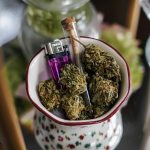
Federal health authorities have issued guidance warning that medical cannabis and hemp products can produce positive results on standard workplace and clinical drug tests, even when used legally and as prescribed. This alert is particularly relevant for patients using cannabis medicinally for conditions such as chronic pain, epilepsy, or chemotherapy-related nausea, as well as those using hemp-derived products marketed for wellness purposes. The warning underscores that current drug screening methods cannot distinguish between therapeutic use and non-compliant use, and cannot differentiate THC from hemp-derived cannabinoids, creating potential consequences for patients in safety-sensitive occupations or those subject to drug monitoring. Clinicians should counsel patients about these testing limitations before recommending cannabis or hemp products and document the medical indication clearly in the patient record to support any legal or employment-related challenges. Patients should also inform employers, healthcare providers, and testing facilities about their legitimate medical cannabis use prior to undergoing drug screening. Healthcare providers need to remain aware of these testing limitations when advising patients and supporting them through any resulting employment or legal complications.
“The federal warning about cross-reactivity in drug screening is clinically relevant but often misunderstood: a positive immunoassay for cannabinoids doesn’t distinguish between THC from a patient’s legitimate medical use and illicit cannabis, which is why confirmatory testing with gas chromatography-mass spectrometry should be standard practice before any clinical or employment decision is made based on that result.”
? As cannabis legalization expands across states, federal agencies are increasingly cautious about the detection of cannabis and hemp-derived compounds in standard drug screening tests, particularly in clinical and workplace settings. This warning reflects a growing gap between legal medical use in some jurisdictions and federal scheduling that classifies cannabis as a Schedule I substance, creating ambiguity for providers who may order or interpret drug screens. Clinicians should be aware that positive results on urine immunoassays may reflect legal medical use, CBD products, or incidental hemp exposure rather than prohibited substance use, yet many laboratories lack the specificity to distinguish between these sources. The distinction matters clinically, as conflating medical cannabis use with problematic substance use could damage the therapeutic relationship and lead to inappropriate clinical decisions or documentation that has medicolegal consequences. Healthcare providers should proactively discuss cannabis and hemp use during substance use histories, clarify their clinical setting’s policies regarding medical cannabis, and work with laboratory
This topic comes up in consultations often.
Dr. Caplan offers clinical context on evolving cannabis policy and its real-world implications for patients.
Book a consultation →💬 Join the Conversation
Have a question about how this applies to your situation? Ask Dr. Caplan →
Want to discuss this topic with other patients and caregivers? Join the forum discussion →
Have thoughts on this? Share it: